Protecting antiques in Merton moves: damage-reduction tips
Moving an antique is not the same as moving a bookcase or a kettle. A scratch on a dining chair might be annoying; a chip on a Georgian mirror, a cracked veneer on a sideboard, or a split joint in an old cabinet can feel genuinely upsetting. If you are planning a move in Merton, protecting antiques in Merton moves: damage-reduction tips can make the difference between a careful relocation and a painful repair bill. The good news? Most damage is avoidable with the right preparation, the right materials, and a calm, methodical approach.
This guide walks through practical steps for wrapping, lifting, loading and transporting antiques with less risk. It also covers common mistakes, useful tools, and when it makes sense to get extra help from a specialist moving team. Let's face it, antiques are often awkward, sentimental, and a bit nervous-making. That's normal. The trick is to slow the process down and treat each item as if it were already fragile.
Table of contents
- Why protecting antiques in Merton moves matters
- How protecting antiques in Merton moves works
- Key benefits and practical advantages
- Who this is for and when it makes sense
- Step-by-step guidance
- Expert tips for better results
- Common mistakes to avoid
- Tools, resources and recommendations
- Law, compliance, standards, or best practice
- Options, methods, or comparison table
- Case study or real-world example
- Practical checklist
- Conclusion
- Frequently asked questions
Why protecting antiques in Merton moves matters
Antiques are vulnerable for a few reasons. Many are older than the homes they live in. Their joints may have loosened over time, finishes may be brittle, and decorative elements can be surprisingly delicate. Veneer lifts, hidden hairline cracks, and aged glue do not always show up until the item is under pressure. A move adds vibration, handling, temperature changes, and time spent in transit. That combination is a bit of a menace.
In Merton, as in the rest of London, moves often involve tight parking, stairs, narrow hallways, awkward front gardens, and a fair amount of stop-start loading. That makes antiques more exposed. A well-intended lift through a cramped landing can end badly if two people are trying to turn at once. Even a quick bump against a door frame can mark polished wood or dislodge a mirror back. The issue is not just impact. It is also friction, pressure, humidity, and poor support.
There is another reason this matters: antiques are often irreplaceable. A modern dining table can be replaced without much drama. A hand-painted cabinet, family heirloom clock, or vintage side table may carry emotional value that is far beyond the purchase price. Once damaged, the original condition is gone. Repairs may be possible, but they are rarely invisible. So, the aim is not just "careful enough". The aim is to reduce risk at every stage.
Expert takeaway: with antiques, damage usually happens in the boring moments - during carrying, turning, stacking, and parking the item for just a second in the wrong place. Not in the dramatic bit. The slow bits matter most.
How protecting antiques in Merton moves works
Damage reduction is really a sequence of small decisions. You identify the item, judge its weak points, choose the right packing materials, and make sure the moving process supports the object rather than stressing it. That may sound obvious, but it is where most mishaps start. People tend to wrap an antique in a blanket and assume that is enough. Sometimes it is. Often it is not.
The process normally works in five stages:
- Assess the piece - check for loose joints, existing chips, missing knobs, or unstable feet.
- Prepare the surface - remove dust, empty drawers, secure doors, and protect fragile finishes.
- Wrap and cushion properly - use layers that prevent rubbing and absorb vibration.
- Move with control - lift evenly, avoid dragging, and keep the item upright where possible.
- Load strategically - place antiques where they cannot slide, crush, or shift during travel.
The practical point is simple: protection begins before the van arrives. If the item is already unstable, no amount of blanket wrapping will magically make it safe. In our experience, a ten-minute inspection saves far more stress than a rushed rescue job at the kerbside.
For households doing a broader move, services such as home moves and packing and unpacking services can be useful because they reduce the amount of hurried handling. If you are moving heavier items alongside antiques, a sturdier vehicle option like a moving truck or removal truck hire may also be worth considering, especially when you want more controlled stacking space.
Key benefits and practical advantages
Protecting antiques properly is about more than avoiding obvious breakage. The real benefits often show up later, when you unpack and everything still feels solid, aligned, and intact.
- Lower repair risk - less chance of chips, dents, splits, and joint failure.
- Better finish protection - polished wood, gilding, fabric, and glass keep their appearance.
- Less movement in transit - secure packing reduces vibration damage.
- Less stress on you - a plan is oddly calming when the move gets busy.
- More predictable unloading - labelled, grouped items are easier to place safely.
There is also a financial angle. Even if an antique is insured, claims can be time-consuming and may not restore the original finish or craftsmanship. To be fair, the paperwork is never the fun part. Prevention is almost always easier than a claim or a restoration search after the fact.
If you want more reassurance around handling standards and transport care, it can help to look at a company's insurance and safety information and its broader health and safety policy. Those pages do not replace good packing, of course, but they do tell you whether safety is taken seriously.
Who this is for and when it makes sense
This advice is useful if you own antiques of any type, but especially if you are moving one or more of the following:
- family heirlooms passed down through generations
- vintage or reclaimed furniture with original finishes
- decorative mirrors, clocks, cabinets, and sideboards
- delicate porcelain, ceramics, glassware, or lamps
- items with veneer, marquetry, carving, or marbled surfaces
- collectible pieces that may be difficult to replace
It also makes sense for landlords, estate executors, collectors, and people downsizing from a long-held home. Sometimes an older property is being cleared and the antiques are going into storage, not a new house. That is still a move. The handling risks are much the same.
If you are not sure whether a piece is truly antique or just old-fashioned, treat it as fragile anyway. Age, weight distribution, and finish condition matter more than the label. A "solid" looking item can hide a weak leg or dried-out glue line. And yes, the suspicious wobble you notice five minutes before moving day usually does matter.
Step-by-step guidance
1. Start with a proper inspection
Before anything is packed, inspect every antique in good light. Look underneath and inside drawers. Check for loose handles, cracked joints, missing feet, or areas where the veneer is lifting. Photograph the item from several angles. This is useful for insurance, but also helps you remember how it originally sat together.
If a drawer sticks or a door swings open, do not force it. Find the cause. Sometimes a small screw, humidity change, or swollen timber is all that is stopping it. Force is not your friend here. Not even a little.
2. Clean gently, then dry fully
Dust and grit can scratch a finish when items are wrapped. Use a soft cloth, and keep cleaning products minimal unless you know the material well. For very old finishes, less is more. A damp surface inside a wrap can also create trouble, so allow items to dry completely before packing.
3. Remove loose or detachable parts
Take out shelves, removable trays, glass tops, keys, and anything else that can move separately. Pack these in clearly labelled containers. Wrap each piece so it cannot knock against the main item. For a cabinet, the loose shelf can be more of a risk than the cabinet itself if it slides around in transit.
4. Protect the surface first
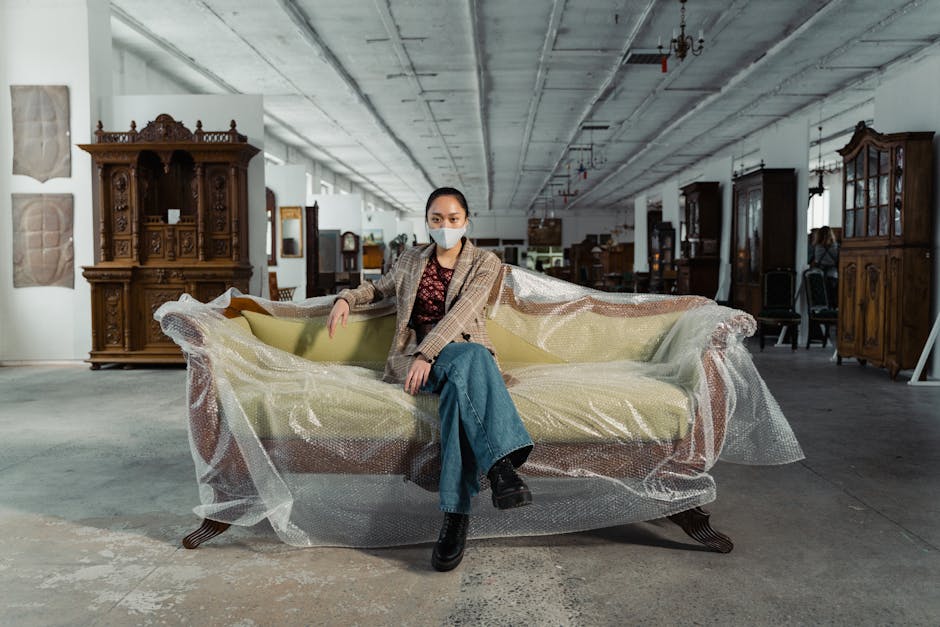
Use acid-free paper, soft packing paper, or clean cotton sheets on delicate surfaces before adding padding. The point is to stop rough materials from rubbing directly against varnish, fabric, or gilding. Bubble wrap can be useful, but it should not touch delicate finishes for long periods without a protective layer in between.
5. Add cushioning and outer protection
Once the surface is protected, add moving blankets, corner guards, or foam padding where needed. Corners, legs, carved edges, and handles need special attention. Secure the wrap without compressing fragile areas. Tight is not always better. In fact, over-tight wrapping can stress old joints.
6. Label clearly
Label items with simple instructions such as fragile, this way up, or top load only. Label boxes by room and by item type. If a box contains parts for an antique, say so plainly. It saves time later and prevents the all-too-common "where did that little brass fitting go?" moment.
7. Move with the right number of hands
Heavy antiques should be lifted by enough people to keep the weight balanced. Two-person lifts are common, but some items need three. Use proper lifting technique and plan turns before lifting. If the staircase is tight, measure it first. A quick measure can save a lot of muttered swearing at the landing.
8. Load to reduce movement
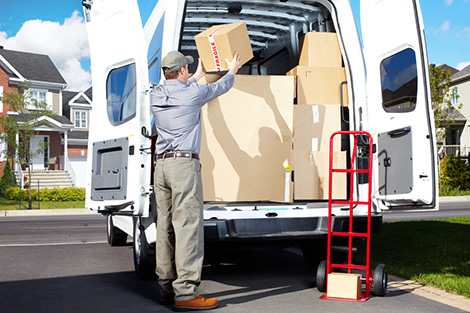
Place antiques upright where possible and avoid stacking heavy items on top of them. Use straps, gaps filled with soft padding, and stable positioning against solid sides of the vehicle. If you are using a smaller vehicle like a man and van or man with van, make sure the load is especially secure because there is less room to separate items safely.
9. Unload slowly and check as you go
Do not rush the final stage. Unwrap antiques after they are in a stable, dry room. Check for hidden damage before you move on to the next item. This is the bit where people often forget to pause. But pausing helps. Better a two-minute check than discovering a split joint after the movers have gone.
Expert tips for better results
These are the details that often make the biggest difference.
- Use the inside-out approach. Protect the surface first, then build outward with padding and blankets.
- Keep antiques separate from general household boxes. Mixed loads make accidents more likely.
- Never drag a piece across floors. Lift it or use proper moving aids.
- Wrap glass and wood differently. A mirror needs edge protection; a cabinet needs corner and leg protection.
- Photograph the wrapping process. It sounds fussy, but it helps if you need to check how something was packed.
- Use breathable materials where sensible. Not every item should be sealed in plastic for hours.
- Keep screws, hinges, and fittings in one labelled pouch. Tiny parts vanish with remarkable enthusiasm.
A useful local consideration in Merton is access. If you know there are narrow stairs, limited parking, or a long carry from the front door, build that into the plan early. The less improvisation on the day, the better. Antiques really do not enjoy improvisation.
For larger moves involving many fragile pieces, a service like house removalists may be a better fit than trying to manage everything yourself. If the move is complex or time-sensitive, checking pricing and quotes early can help you decide what level of support is realistic.
Common mistakes to avoid
Most antique damage is caused by a handful of avoidable errors. They are common because they feel harmless at the time.
- Using only one layer of protection. A blanket alone is often not enough for fragile finishes.
- Over-tightening straps or wrap. Pressure can distort aged wood or delicate frames.
- Leaving drawers full. Hidden weight creates stress and unexpected movement.
- Carrying items by decorative parts. Handles, carvings, and rails are not always structural.
- Stacking antiques with general furniture. Heavy pieces can crush or scrape lighter ones.
- Ignoring pre-existing weaknesses. A loose leg or crack will not politely stay put during a move.
- Rushing through doorways. This is where chips and scrapes happen in a flash.
One more thing. Do not assume a piece is safe just because it survived being in the house for decades. Moving creates different stresses from normal use. A sideboard can sit happily in one spot for years and still fail when tilted for a staircase turn. Bit annoying, but true.
Tools, resources and recommendations
You do not need a warehouse full of specialist kit, but the right tools make the job easier and safer.
| Tool or material | Best use | Why it helps |
|---|---|---|
| Soft packing paper | Surface protection for wood, porcelain, and decor | Reduces rubbing and dust-related scratches |
| Moving blankets | Outer cushioning for furniture and frames | Absorbs light knocks and vibration |
| Corner guards | Cabinets, picture frames, and tables | Protects the parts most likely to chip |
| Label tape and markers | Box identification and handling notes | Prevents confusion during loading and unpacking |
| Furniture straps | Securing load in the vehicle | Helps stop sliding and sudden movement |
| Foam padding | Legs, edges, and fragile projections | Adds extra shock absorption where needed |
If you are clearing a property at the same time, it may be useful to separate antiques from anything heading for disposal. For unwanted bulky items, services such as furniture pick up can help keep the move organised. And if you are disposing of non-valuable furniture, something like mattress and sofa disposal may be a more sensible route than mixing it with valuable pieces in the same run.
Law, compliance, standards, or best practice
For most household moves, the main concern is not a special antique law. It is following sensible handling practice, keeping items secure, and making sure any transport is done safely and responsibly. If you are moving within London, parking, loading, and access issues may need to be managed carefully, but the exact arrangements will depend on the property and local conditions. Best practice is usually more important here than a one-size-fits-all rule.
If the move involves valuable items, it is wise to confirm whether your moving provider has appropriate insurance and clear terms on handling fragile goods. Read the terms properly, yes, even the small print. Not glamorous, but helpful. A provider's terms and conditions can clarify what is expected from both sides, while payment and security information helps you understand booking and payment arrangements.
When antiques are being moved as part of a property clearance, it is also sensible to separate valuable items from anything considered waste. That reduces the chance of accidental disposal. If there are hazardous or restricted materials elsewhere in the property, they should be handled separately and in line with the relevant disposal guidance. Do not tuck something risky into the same load just because it is convenient. Convenience has a habit of becoming a problem later.
Practical best-practice point: keep a simple inventory of antiques before the move, note any existing damage, and agree who is handling each item. It sounds old-school. It is also effective.
Options, methods, or comparison table
Different antiques need different approaches. Here is a straightforward comparison of common moving methods.
| Method | Best for | Pros | Watch-outs |
|---|---|---|---|
| Blanket wrapping only | Sturdy, less delicate furniture | Quick and simple | Often not enough for fragile surfaces or carved edges |
| Packing paper + blanket wrap | Wood, framed items, mixed antiques | Better surface protection and cushioning | Takes more time and materials |
| Custom boxing or crate-style packing | Very fragile or high-value items | Excellent protection and stability | More preparation and usually more cost |
| Specialist handling with dedicated loading plan | Large collections or awkward items | Best for complex moves and tighter access | Requires planning and clear communication |
If your antiques are just one part of a full property move, a tailored approach is usually the sweet spot. A smaller item may only need good wrapping. A tall display cabinet, on the other hand, might need a more deliberate plan and a more flexible vehicle setup. Truth be told, the "best" method is the one that fits the item rather than the one that sounds quickest.
Case study or real-world example
A practical example helps here. Imagine a couple moving from a Victorian terrace in Merton to a new flat a few streets away. They have a mahogany sideboard, a gilt mirror, and a small set of china display pieces inherited from a grandparent. Nothing is museum-grade, but each piece matters.
Instead of packing everything on the morning of the move, they start the day before. The sideboard is emptied, checked for loose handles, and wrapped first in soft paper, then in blankets. The mirror gets corner protection and a clear this way up label. The china is boxed with plenty of paper between each piece, then marked fragile on all sides. During loading, the mirror is kept upright and the sideboard is placed where it cannot slide against the vehicle wall.
The interesting bit is what they do not do. They do not leave the china box on top of a heavy bag. They do not carry the sideboard by one handle. They do not assume the quickest route through the hallway is the safest route. A few extra minutes of thought makes the whole day feel calmer. And when they unpack later, there is no heartbreak. Just a few sighs of relief and some sticky tape that refuses to come off properly, because of course it does.
Practical checklist
Use this checklist before moving day. It keeps the process grounded and helps you spot gaps early.
- Inspect each antique for cracks, loose joints, and fragile finish areas.
- Photograph the item from several angles before packing.
- Empty drawers, shelves, and cabinets unless told otherwise by a specialist.
- Remove detachable parts and label them clearly.
- Clean gently and make sure all surfaces are dry.
- Wrap the surface with soft, non-abrasive material.
- Add cushioning around edges, legs, and corners.
- Use clear fragile labels and orientation notes.
- Plan the route through the property and measure tight spaces.
- Load antiques separately from heavy general items.
- Secure items so they cannot tip, slide, or rub.
- Unpack carefully and inspect again before storing or displaying.
If you are booking support for the wider move, a provider that offers structured man and van help or broader house removalists support can make the day feel less rushed. That slower pace matters more than people think.
Get a free quote today and see how much you can save.
Conclusion
Protecting antiques during a Merton move is not about wrapping everything in the thickest blanket and hoping for the best. It is about looking closely at each item, anticipating weak points, and giving the move enough structure to avoid unnecessary handling. The more carefully you prepare, the less likely you are to discover damage after the fact.
If you remember only one thing, make it this: antiques are usually damaged by pressure, movement, and haste. Slow the process down, separate the fragile from the general, and choose handling methods that fit the item rather than the timetable. That simple shift can save a lot of regret. And it keeps the story of the piece intact, which is really the point.
When done well, an antique move feels quiet, almost unremarkable. No drama, no scramble, just a careful handover from one home to the next. That is the outcome worth aiming for.
Frequently Asked Questions
What is the best way to protect antiques during a house move?
The best approach is to inspect the item first, remove loose parts, protect the surface with soft material, add cushioning around vulnerable areas, and secure it so it cannot move in transit. A careful loading plan matters just as much as the wrapping.
Should I use bubble wrap on antique furniture?
Bubble wrap can help as part of a layered packing method, but it should not usually be the only layer. For delicate finishes, put soft paper or another protective layer between the item and the bubble wrap to reduce rubbing and pressure marks.
Can I move antiques myself, or should I hire help?
Small, sturdy antiques may be manageable if you have the right materials and enough people. Larger, heavier, or more fragile pieces are often safer with professional help, especially if access is tight or stairs are involved.
How do I move a mirror or framed antique safely?
Protect the corners, wrap the face carefully, keep the item upright, and avoid placing weight on top of it. Mirror glass and frames are vulnerable at the edges, so that is where the extra attention should go.
What should I do with loose drawers or shelves in an antique cabinet?
Remove them if possible, wrap them separately, and label them clearly. If they cannot be removed safely, secure them so they do not slide during transport. Loose internal parts are a common cause of damage.
Is it worth photographing antiques before moving them?
Yes. Photos give you a record of condition before the move and can be useful if you need to check how something was packed or if there is a dispute later. They also help when reassembling items.
What if my antique already has small damage before the move?
Treat it as more vulnerable, not less. Existing cracks, lifted veneer, and loose joints can worsen in transit. Mark the weak area, reduce handling, and avoid pressure near the damaged section.
Do antiques need a special van or truck?
Not always, but the vehicle should offer enough secure space to keep items from shifting. If you are moving several fragile pieces, a larger and better organised load area can make a real difference.
How far in advance should I pack antiques?
Ideally, pack them before the last-minute rush. The day before is often better than the morning of the move. That gives you time to inspect, wrap, label, and correct any issues without pressure.
What are the biggest mistakes people make with antique moves?
The biggest mistakes are rushing, using poor wrapping, carrying items by decorative parts, and letting antiques share space with heavy general furniture. Those habits are responsible for a surprising amount of damage.
Are old wooden antiques more fragile than modern furniture?
Not automatically, but older wood often has aged glue, brittle joints, and delicate finishes that need more care. A modern piece may be structurally simpler, while an antique may be more sensitive to vibration and pressure.
How do I know whether I need professional packing services?
If the item is valuable, awkward, fragile, or part of a larger move with limited time, professional packing services are often sensible. They can reduce handling stress and help keep the move more controlled from start to finish.