Fridge and Appliance Removal: Efficient, Responsible Disposal
Fridge and appliance removal is a regular household or commercial task that many people underestimate. Large appliances such as refrigerators, freezers, washing machines, dryers, and ovens require special handling due to their size, weight, and environmental impact. This article explains why proper removal matters, how removal services work, what to prepare before pickup, and environmentally responsible options for disposal and recycling.
Why Proper Fridge and Appliance Removal Matters
Discarding an appliance without planning can lead to property damage, injury, or environmental harm. Refrigerators and freezers often contain refrigerants and oils that are hazardous if released. Many jurisdictions have regulations governing the removal and disposal of appliances to protect people and the environment. Proper handling prevents contamination and ensures materials are recycled when possible.
Beyond environmental concerns, poorly executed removal can damage floors, walls, and doorways. Moving large appliances requires techniques and equipment that most homeowners do not possess. Professionals minimize risk by using the right tools and protective measures.
How Professional Removal Services Work
Professional removal teams follow standardized steps to make the process safe and efficient. Knowing these steps in advance helps you choose a reputable provider and prepares you for what to expect.
Assessment and Scheduling
When you arrange removal, the provider typically asks about each item's type, size, and condition. This preliminary assessment determines crew size, vehicle type, and whether special permits are required. Scheduling options can include same-day pickup, next-day service, or scheduled appointments to match your availability.
Preparation and On-site Handling
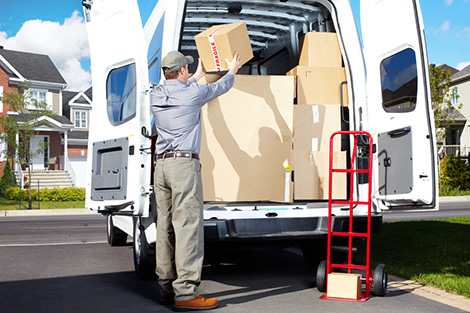
On the scheduled day, professionals arrive with dollies, straps, ramps, and protective materials. They often remove doors or secure components to reduce bulk and avoid damage. For refrigerators, technicians will handle refrigerant extraction and other mandated procedures or coordinate with licensed refrigerant technicians when required.
Key safety measures include:
- Proper removal of refrigerants and oils when applicable
- Using lifting straps and team lifts for heavy items
- Protecting floors and walls with blankets and corner protectors
- Securing appliances in the transport vehicle to prevent shifting
Costs, Preparation, and What to Expect
Cost for fridge and appliance removal varies depending on several factors: size and weight of the item, whether it contains refrigerants, how difficult the removal location is (stairs, narrow doorways, long carries), distance to the disposal or recycling facility, and local disposal fees. Obtaining multiple quotes and asking for a clear breakdown can help you compare services and avoid surprises.
To prepare for pickup:
- Empty and defrost refrigerators and freezers at least 24 hours prior to removal to avoid leaks and odors.
- Disconnect water and power sources. For washing machines or dishwashers, ensure hoses are drained and detached.
- Secure all loose parts such as shelves, connectors, and drawers to prevent movement during transport.
- Clear a safe path from the appliance to the exit and vehicle to speed up the process and reduce the risk of damage.
Some services offer an added value of in-home pickup where technicians will disconnect and remove the appliance, leaving the area clean. Others charge extra for on-site disconnection or for removal from upper floors.
Environmental Considerations and Recycling Options
Appliance disposal is about more than removing an eyesore. Many appliances are rich in recyclable materials such as steel, copper, plastics, and glass. Responsible recycling reduces landfill waste and recovers valuable materials for reuse. Refrigerants used in older models can be powerful greenhouse gases; certified technicians must extract and recycle or destroy them properly to avoid atmospheric release.
Common recycling and disposal pathways include:
- Drop-off at a municipal recycling or transfer facility
- Manufacturer take-back or producer responsibility programs
- Donation to charities or thrift organizations when appliances are in working condition
- Salvage for parts or metal reclamation by scrap yards
Understanding what local regulations require is essential. Many regions prohibit appliances with refrigerants from being placed in curbside collection without prior certified extraction. Engaging a removal service that partners with certified recycling centers ensures compliance.
Donation and Resale
If an appliance is still in working order, donation or resale is often the most sustainable choice. Hospitals, community centers, shelters, and families in need may welcome functional units. Before donating, test the appliance and provide honest condition details. Some non-profits offer pickup services for working appliances, while others require drop-off.
Safety, Compliance, and Hazardous Components
Two major safety considerations with appliances are mechanical injury and hazardous materials. Moving heavy appliances can cause strains and crush injuries. It’s smart to let trained teams handle items if you’re unsure of the proper technique. Disposal of hazardous components — notably refrigerants, oils, and electronic circuits — must follow local environmental regulations.
When dealing with refrigerators, freezers, or air-conditioners:
- Never vent refrigerant to the atmosphere — it must be captured by a certified technician.
- Ensure oil and mercury-containing switches or components are handled and recycled correctly.
- Request documentation from your service provider that hazardous materials were disposed of in accordance with regulations.
Choosing a Removal Service: What to Look For
Selecting the right removal partner involves evaluating experience, transparency, and environmental responsibility. Look for the following characteristics:
- Clear pricing and line-item estimates
- Proof of licenses and insurance
- Affiliations with certified recycling centers or licensed technicians for refrigerant handling
- Positive customer reviews and references
- Flexible scheduling and written removal policies
Questions to ask prospective providers include whether they handle disconnection, how they dispose of hazardous components, and whether disposal fees are included in the quote. Reputable services will explain their process and provide receipts or certificates for recycled or responsibly disposed items.
Preparing for Special Cases
Some appliances present unique challenges, such as antique units, built-in appliances, or those with chemical contamination. Discuss these special cases with potential providers in advance so they can plan appropriately. In certain situations, a specialist may be required to remove built-in appliances without damaging cabinetry or walls.
Conclusion
Fridge and appliance removal is more than a logistical chore — it’s a process that intersects with safety, environmental stewardship, and local regulation. Whether you choose a professional removal service or coordinate drop-off and recycling yourself, prioritize safety and proper disposal of hazardous materials. By planning ahead, preparing appliances for pickup, and choosing responsible removal partners, you ensure appliances are handled efficiently and sustainably.
Smart removal decisions protect your property, reduce environmental impact, and may even recover value through resale or recycling. Keep the steps and considerations outlined here in mind the next time you need to remove a refrigerator or major household appliance.