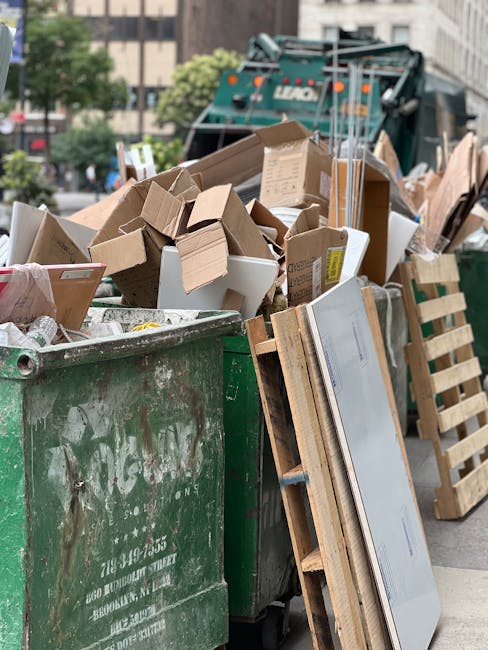
Bulky waste after a move in Merton: disposal and costs
Moving house has a way of exposing everything you no longer need. The wardrobe that will not fit the new bedroom. The sofa with one sagging arm. The broken appliance you meant to deal with last year. Suddenly, bulky waste after a move in Merton becomes the bit nobody planned for, yet it is often the part that makes the biggest mess and the biggest headache.
If you are clearing a flat, a family home, or even a shared property in Merton, the question is usually the same: how do you dispose of large unwanted items quickly, properly, and without overspending? This guide breaks down the disposal options, the cost factors, the common mistakes, and the practical steps that help you move on without leaving a trail of furniture in the hallway. To be fair, that hallway always looks smaller when you start moving things out.
You will also find useful links to related pages, including pricing and quote information, specialist mattress and sofa disposal, and recycling-focused collection and sustainability guidance.
Table of Contents
- Why bulky waste after a move in Merton matters
- How bulky waste disposal and costs work
- Key benefits and practical advantages
- Who this is for and when it makes sense
- Step-by-step guidance
- Expert tips for better results
- Common mistakes to avoid
- Tools, resources and recommendations
- Law, compliance, standards and best practice
- Options, methods, or comparison table
- Case study or real-world example
- Practical checklist
- Conclusion
- Frequently asked questions
Why Bulky waste after a move in Merton: disposal and costs Matters
Bulky waste is not just "rubbish that is too big for the bin". It usually means items that are awkward, heavy, or impossible to handle like standard household waste. After a move, these items often pile up because they are the leftovers from two homes at once: the old place you are emptying and the new place you are trying to make liveable.
In Merton, this matters for three practical reasons. First, bulky items take time and space, and moving days run on both. Second, the wrong disposal choice can push up costs quickly, especially if you need urgent help. Third, bulky waste often includes mixed materials, which means some items can be reused or recycled while others need specialised handling. That mix affects both price and where the waste can go.
There is also the simple stress factor. A move is noisy, sweaty, and strangely chaotic. You are opening cupboard doors, finding cables from products you do not own anymore, and wondering why you kept that chipped coffee table. If you leave bulky waste until the end, it tends to become the thing that holds the whole move together in the worst possible way.
Expert summary: The cheapest bulky waste solution is not always the best one. The best option is usually the one that balances item type, access, timing, labour, and disposal route without adding another day of hassle.
How Bulky waste after a move in Merton: disposal and costs Works
There are usually four main routes for bulky waste after a move: reuse, donation, council-style collection where available, or private removal. Each has different cost and convenience implications. The right choice depends on what you have, how quickly you need it gone, and whether the items are reusable, recyclable, or just plain worn out.
Broadly speaking, the process works like this:
- Identify the items. Make a clear list of what needs to go: furniture, mattresses, appliances, boxes of broken household goods, garden items, and so on.
- Separate by type. Put aside items that may need special handling, such as fridges, freezers, or anything classed as hazardous.
- Check access. Tight staircases, basement flats, parking issues, and shared entrances all affect collection time and cost.
- Choose a disposal route. You might book a man and van collection, arrange a skip, or prepare items for a reuse or recycling route.
- Confirm the cost structure. Most providers base pricing on load size, item count, labour, access difficulty, and any special disposal requirements.
- Remove and sort responsibly. Good operators will separate reusable materials where possible and dispose of the rest through approved channels.
Costs are usually shaped by volume, weight, item type, and the amount of manual handling required. A single mattress can be simple enough. A second-floor flat with no lift, a fridge that needs careful loading, and a sofa that has to be carried through a narrow landing? That is a different story altogether.
If you are unsure what counts as bulky waste, it helps to think in terms of anything that does not fit naturally into standard household bins or regular bagged waste. If in doubt, a quick check against a guide like what can go in a skip can help you understand what is usually accepted and what needs separate handling.
Key Benefits and Practical Advantages
The biggest benefit of handling bulky waste properly after a move is simple: you get your space back. But there are several smaller advantages too, and they matter more than people expect.
- Less clutter during unpacking. You can actually see what you are doing instead of stepping around an old wardrobe for three days.
- Lower risk of damage. Removing bulky waste before or soon after the move reduces knocks, scrapes, and accidental breakages.
- Better cost control. Sorting items first can stop you paying for unnecessary labour or disposal of things that could have been reused.
- Cleaner handover of the old property. This is especially helpful if you need to leave a rental in good condition.
- Less emotional drag. Let's face it, a move already asks a lot. Getting the junk out quickly just makes the whole job feel lighter.
There is also a sustainability angle. Reuse and recycling are often possible for items in reasonable condition. If the provider you choose works with sorting and responsible disposal, you are more likely to keep usable materials out of general waste. That is where a page like recycling and sustainability becomes genuinely useful, not just nice wording on a website.
One small but important benefit: fewer awkward conversations with neighbours or landlords about furniture left in communal areas. No one enjoys those emails.
Who This Is For and When It Makes Sense
This kind of service is useful for a wide range of people in Merton, not just households doing a full-scale move.
- Home movers who are replacing old furniture or appliances rather than taking them to the new property.
- Tenants who need to clear a flat quickly at the end of a tenancy.
- Landlords and letting agents dealing with left-behind items after a move-out.
- Families downsizing from a larger home to a smaller one.
- People furnishing a new place who want to remove mismatched or damaged items first.
- Busy professionals who simply do not have time to figure out multiple disposal routes.
It makes sense when the items are too bulky for ordinary waste services, when time is tight, or when you have several awkward pieces at once. A couple of old chairs may be manageable. A bed frame, mattress, fridge, and two broken wardrobes? That starts to look like a proper collection job.
Truth be told, people often realise this only after the moving van has already left. You stand in an empty room, hear that weird echo, and suddenly the leftover furniture feels twice as big. That is usually the moment to sort it properly.
Step-by-Step Guidance
If you want to keep costs under control and avoid panic-booking later, a clear plan helps more than anything else. Here is a practical step-by-step approach that works well after a move.
1. Make a room-by-room list
Walk through the property and note every bulky item. Include furniture, mattresses, appliances, outdoor items, and anything broken that will not be used again. A quick list on your phone is fine. Fancy spreadsheets are not required, though some people do love them.
2. Separate standard items from specialist waste
Some items can be handled straightforwardly, while others need care. For example, a mattress, sofa, or fridge may need specific disposal handling. A set of clothes rails or shelving could simply be dismantled and removed with other household items. If you have appliances, it may help to review fridge and appliance removal before making assumptions about what can go with the rest.
3. Measure access properly
Access changes the job more than many people expect. Long carries from the street, no parking outside, multiple floors, narrow hallways, and shared entrances all add time. If a collection team needs to park a distance away or dismantle items on site, that can affect the quote. Be honest here. A "quick pickup" is rarely quick if the item is a giant wardrobe and the staircase is basically a spiral of regret.
4. Decide whether the item can be reused
If something is in decent condition, consider donation or resale before disposal. That said, do not overestimate the market for scratched, wobbly furniture. If the item has a stain, a smell, or visible damage, disposal is usually the better option. Save yourself the listing photos. No one wants to zoom in on a broken hinge at 11 pm.
5. Get a clear price structure
Before booking, ask how the price is calculated. Is it by load size, item type, labour, or time on site? Are there extra costs for stairs, heavy lifting, or certain appliances? A transparent quote is worth more than a vague low estimate. You can compare your options more easily using the guidance on pricing and quotes.
6. Confirm timing and preparation
Ask whether the collection team wants items outside, in one room, or dismantled in advance. In some cases, leaving everything neatly grouped speeds up the job. In others, it is better not to move heavy items yourself. A sensible provider should explain this clearly.
7. Keep a record of what has been removed
This is especially useful for end-of-tenancy clearances, landlords, and shared homes. A simple checklist and a couple of photos can help avoid confusion later. Not glamorous, but helpful.
Expert Tips for Better Results
A few small choices can make a big difference to bulky waste disposal after a move. These are the things that tend to save both time and money.
- Sort before you book. Mixed piles take longer to assess and can lead to higher quotes.
- Group similar items together. Furniture with furniture, appliances with appliances. It keeps the removal process smoother.
- Disassemble where sensible. Removing table legs or flat-packing a bed frame can reduce labour, but only if it is safe and practical.
- Check for hidden contents. Drawers, cabinets, and wardrobes often contain odd leftovers. You do not want to move a heavy bookcase only to discover twelve tins of paint in the bottom drawer.
- Be careful with special items. Anything hazardous, sharp, or electrically risky should be separated early.
- Book earlier for moving weekends. Demand tends to spike around weekends and month-end, which is when many people move in London.
Another useful tip: keep pathways clear before the removal team arrives. It sounds obvious, but in real life, the hallway often becomes a temporary storage zone for suitcases, rolls of wrapping paper, and one mysterious umbrella. Clearing that path speeds everything up and reduces the chance of damage.
If you are trying to keep the job tidy and responsible, it is worth choosing a provider with clear standards around safety and handling, such as the information set out on insurance and safety and health and safety policy.
Common Mistakes to Avoid
Most bulky waste headaches come from a handful of avoidable mistakes. None of them are dramatic on their own, but together they can turn a simple clearance into a drawn-out mess.
- Leaving it too late. If the old property has to be emptied by a deadline, last-minute disposal almost always costs more.
- Assuming everything can go together. Fridges, mattresses, and hazardous items may need separate handling.
- Guessing the size of the load. Underestimating volume is one of the quickest ways to end up with a price surprise.
- Forgetting access issues. A ground-floor flat and a third-floor walk-up are not the same job.
- Ignoring property rules. Some buildings have specific collection restrictions or shared entrance rules.
- Choosing only on price. The cheapest option can become the expensive one if it is slow, unclear, or not properly equipped.
There is also the risk of poor sorting. If reusable waste gets mixed with contaminated or unsuitable materials, the whole load can become harder to process. A small amount of planning avoids that. Not exciting, I know. Still worth it.
Tools, Resources and Recommendations
You do not need specialist equipment to prepare bulky waste for removal, but a few basic tools help enormously.
- Marker pen and labels for tagging items to keep or remove.
- Heavy-duty gloves for safe handling of rough edges or dusty items.
- A tape measure to check whether items will fit through doors and stairwells.
- Screwdriver set for disassembling beds, shelving, or basic furniture if needed.
- Phone camera for documenting items and getting more accurate quotes.
- Blanket or cardboard protection to reduce scuffs when moving items through the property.
For service selection, look for a provider that explains disposal clearly, communicates pricing transparently, and handles different waste types responsibly. If you are clearing a mix of furniture and documents, you may also want to explore confidential shredding for paperwork that should not just be binned.
If you need a quick route from sorting to action, a booking page like book online is often the simplest next step once you know what needs removing. That said, there is no harm in comparing your options first.
Law, Compliance, Standards and Best Practice
Bulky waste disposal in the UK is not just about getting rid of stuff. It also needs to be handled responsibly. The exact legal duties can vary depending on the item and the disposal route, so it is best to stay with accepted practice rather than make assumptions.
In practical terms, good waste handling usually means:
- items are not fly-tipped or left in communal areas;
- hazardous materials are kept separate from general bulky waste;
- electrical items and appliances are treated carefully;
- reusable items are diverted where possible;
- the disposal route is clear and accountable.
For moving-day clearances, best practice also includes protecting shared spaces, keeping escape routes clear, and avoiding lifting methods that put people at risk. This is one reason proper preparation matters so much. If a provider has clear terms and conditions, insurance information, and a sensible handling process, that is a good sign. You can review the relevant trust pages, including terms and conditions and about us, to understand how a professional service presents its standards.
Hazardous items should never be treated as ordinary bulky waste. If something contains chemicals, oils, pressurised contents, or other risky materials, it needs separate assessment. In those cases, a dedicated hazardous waste disposal route is the safer option.
Best practice, in plain English, is simple: separate the risky stuff, document the job clearly, and choose a service that does not make you guess how the waste is handled. That little bit of care goes a long way.
Options, Methods, or Comparison Table
There is no single best method for every household. The right choice depends on cost, speed, convenience, and the type of waste involved. Here is a practical comparison.
| Option | Best for | Pros | Watch-outs |
|---|---|---|---|
| Reuse or donation | Good-condition furniture or appliances | Low cost, sustainable, can help someone else | Takes time, not suitable for damaged items |
| Council-style bulky collection | Simple, single-item or small-load clearances | Convenient if available, straightforward process | May have restrictions, timing may be limited |
| Skip hire | Ongoing clear-outs or renovation waste | Useful for mixed non-hazardous waste, flexible loading | Space needed, permit considerations, not ideal for heavy lifting from upper floors |
| Man and van bulky waste removal | Moves, end-of-tenancy clearances, fast clear-outs | Labour included, quick, often easiest for awkward items | Cost depends on load size and access |
If you are deciding between skip hire and a collection service, it helps to review what can go in a skip. That gives you a clearer feel for which items can be loaded together and which might need a different route. For moving house, many people find a removal service easier because the heavy lifting is already part of the job.
Case Study or Real-World Example
Here is a realistic example. A couple moves out of a first-floor flat in Merton after buying their first home. They are taking most of their furniture, but the old wardrobe does not fit the new bedroom, the mattress is beyond saving, and the fridge-freezer has failed twice in the last year. They also have a stack of packaging, a broken desk, and a small pile of odds and ends from the kitchen.
At first, they think they can sort it all gradually. Then moving day arrives. The van is full, the hallway is cramped, and they realise the old wardrobe has to come down the stairs in pieces. One of them laughs, a bit helplessly, because of course the screwdriver is in a box labelled "misc".
What worked best in this situation was simple:
- they listed the items in advance;
- they separated the fridge and mattress from general waste;
- they measured the largest item before booking;
- they used a clear quote rather than guessing;
- they had everything ready for removal in one session.
The result was a cleaner handover, fewer delays, and no random furniture left on the pavement for a second trip. That last part matters more than people think. One good collection can save an entire afternoon of stress.
Practical Checklist
Use this checklist before you book bulky waste disposal after a move in Merton.
- Make a full list of bulky items to remove.
- Separate reusable items from damaged or broken ones.
- Identify anything that needs specialist handling.
- Measure doors, stairways, and access routes.
- Check whether parking or loading restrictions apply.
- Decide whether items will be dismantled or left intact.
- Take photos if you need a more accurate quote.
- Ask how the price is calculated.
- Confirm whether labour, stairs, and access are included.
- Arrange a clear collection point inside or outside the property.
- Keep valuables, paperwork, and personal items separate.
- Review any relevant policy pages before booking, especially if you need reassurance on handling or payment.
For payment peace of mind, it can also help to understand the service's approach to transactions via payment and security. Nothing flashy, just practical reassurance before you hand anything over.
Get a free quote today and see how much you can save.
Conclusion
Bulky waste after a move in Merton does not need to become a second project hanging over your head. Once you know what you are getting rid of, how access affects the job, and which disposal route fits best, the whole process gets far easier to manage. The key is to plan early, separate the awkward items, and choose a solution that is clear about both disposal and costs.
For most movers, the best result is not just cheap removal. It is a clean exit from the old place, a calm start in the new one, and no pile of unwanted furniture waiting at the back of your mind. Small win, but a real one.
If you are ready to sort it out, start with a quote, check the item list, and choose the route that saves you the most stress. That is usually the real value. Not just the disposal itself, but the breathing room that comes after.
Frequently Asked Questions
What counts as bulky waste after a move in Merton?
Bulky waste usually means large or awkward items that do not fit into normal household bins. Common examples include sofas, mattresses, wardrobes, tables, white goods, and broken furniture left over after moving.
How much does bulky waste disposal cost after a move?
Costs vary depending on item size, load volume, access, labour, and whether any items need special handling. A clear quote is the best way to get a realistic price for your specific move.
Is it cheaper to use a skip or a bulky waste collection?
It depends on the waste type and the property layout. A skip can suit ongoing clear-outs, but a bulky waste collection is often easier for moving house because the heavy lifting is handled for you.
Can I put a mattress and sofa out with general bulky waste?
Often yes, but these items may be handled separately depending on the provider and the disposal route. It is sensible to check specialist pages such as mattress and sofa disposal before booking.
What should I do with a fridge or freezer after moving?
Fridges and freezers usually need separate care because they are appliances rather than ordinary furniture. Review the appliance removal option and do not assume they should go with general household waste.
Can bulky waste be collected from a flat or a property with stairs?
Yes, but access affects the job. Stairs, narrow hallways, and long carries can change the time needed and may influence the price, so it helps to describe the access clearly in advance.
Do I need to dismantle furniture before collection?
Not always. Some items are easier to remove intact, while others are safer and cheaper to take apart. If dismantling is practical and safe, it can reduce labour, but it should never create extra risk.
What if some items are reusable and others are broken?
Separate them. Reusable items may be suitable for donation or reuse, while broken items should be disposed of properly. Mixing everything together can make the job slower and less efficient.
How quickly can bulky waste be removed after I move?
That depends on availability and the complexity of the job. If you need a quick collection, booking early and giving accurate item details usually helps a lot, especially around busy moving periods.
Is bulky waste disposal safe for hazardous items?
No, not if the items contain chemicals, oils, pressurised contents, or similar risks. Those need a separate hazardous waste disposal route. Never put risky materials in with ordinary bulky waste.
What information should I give when asking for a quote?
List the items, note whether they are upstairs or downstairs, mention parking or access limits, and say if anything needs dismantling or special handling. The more accurate the detail, the more reliable the quote.
How can I keep costs down without cutting corners?
Sort items before booking, remove personal belongings, separate special waste, and provide clear access details. Those simple steps often save time and reduce the chance of added charges.
What is the most sensible next step if I still have too much to clear?
Make a short inventory, decide what stays and what goes, and ask for a clear quote. If you want a straightforward route, book a collection once you know the item list. It usually takes less time than trying to improvise later.
For a smoother experience, you can also review the company's trust pages such as complaints procedure and contact us if you want to understand how support is handled. A little reassurance goes a long way when you are already juggling boxes, keys, and tape that somehow keeps disappearing.